Nothing About Us Without Us
Nothing About Us Without Us: Why Lived Experience Must Be at the Center of Nonprofit Work
Please watch this short video from my TikTok page.
There’s a phrase that has echoed through advocacy movements for decades:
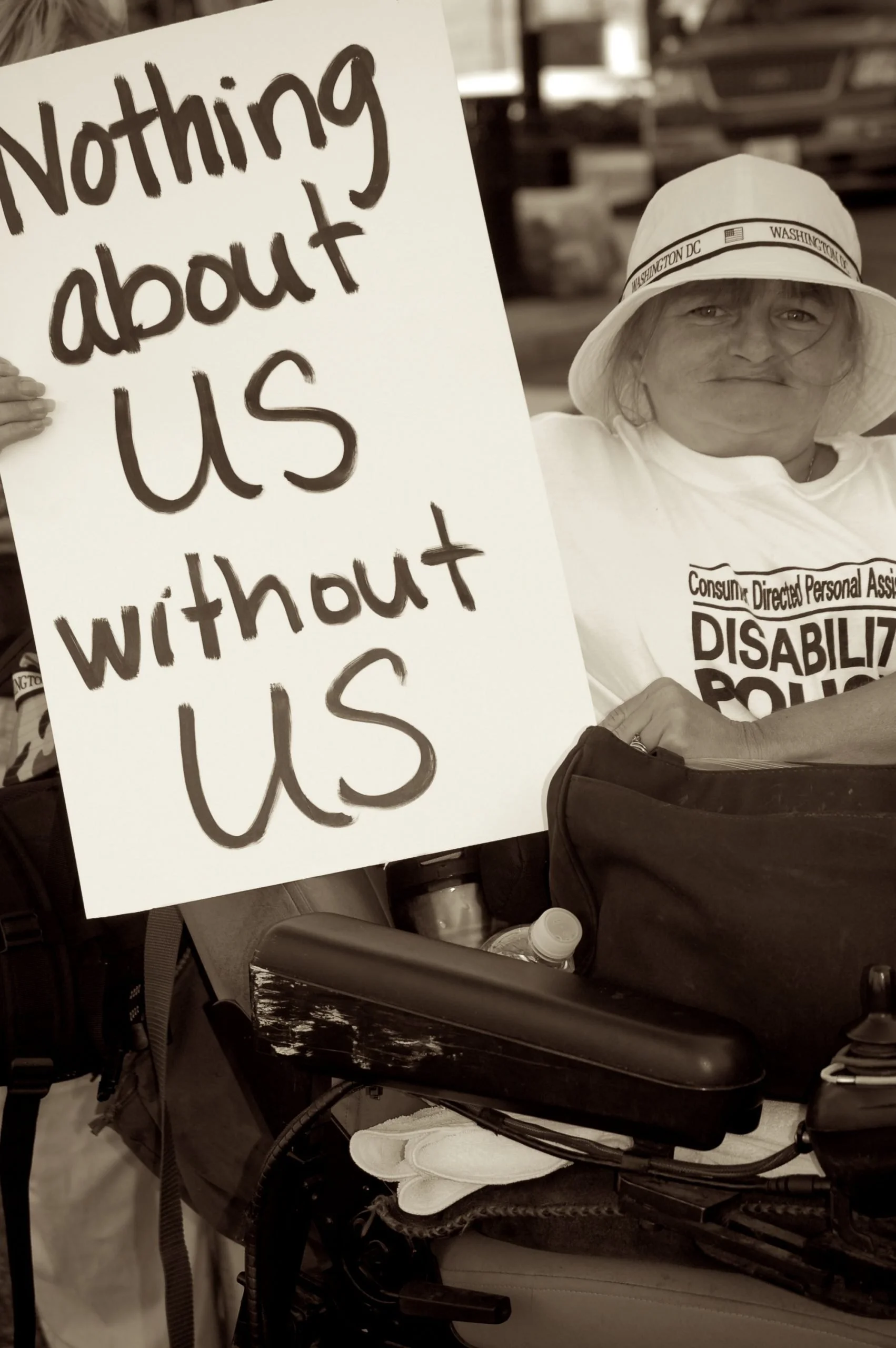
Nothing about us without us.
It’s simple. It’s powerful. And it’s a warning.
Because far too often, nonprofit and public health professionals build programs for communities instead of with them. We design services based on what looks good in a proposal. We implement strategies based on what funders want to hear. We evaluate outcomes based on what is easiest to measure.
And then we act surprised when the program doesn’t work.
But here’s the truth: When lived experience is excluded, we don’t just risk inefficiency—we risk harm.
Lived Experience Is Expertise (Even When It Makes Professionals Uncomfortable)
The nonprofit sector loves to talk about “evidence-based practices.”
We love logic models, frameworks, needs assessments, and best practices.
And those tools matter.
But too often, we treat lived experience as an afterthought—something we tack on at the end of planning as a “community input session” or “stakeholder engagement meeting.”
The reality is that people who have lived through homelessness, addiction, incarceration, domestic violence, disability, poverty, or systemic racism are not just participants in a program.
They are experts in the problem.
They know the barriers that don’t show up in spreadsheets.
They know what services feel unsafe.
They know what messaging creates shame.
They know what support is actually realistic.
And they often know exactly what needs to change—because they’ve had to survive the consequences of systems that were designed without them.
A Painful Lesson from Public Health History: The HIV/AIDS Crisis
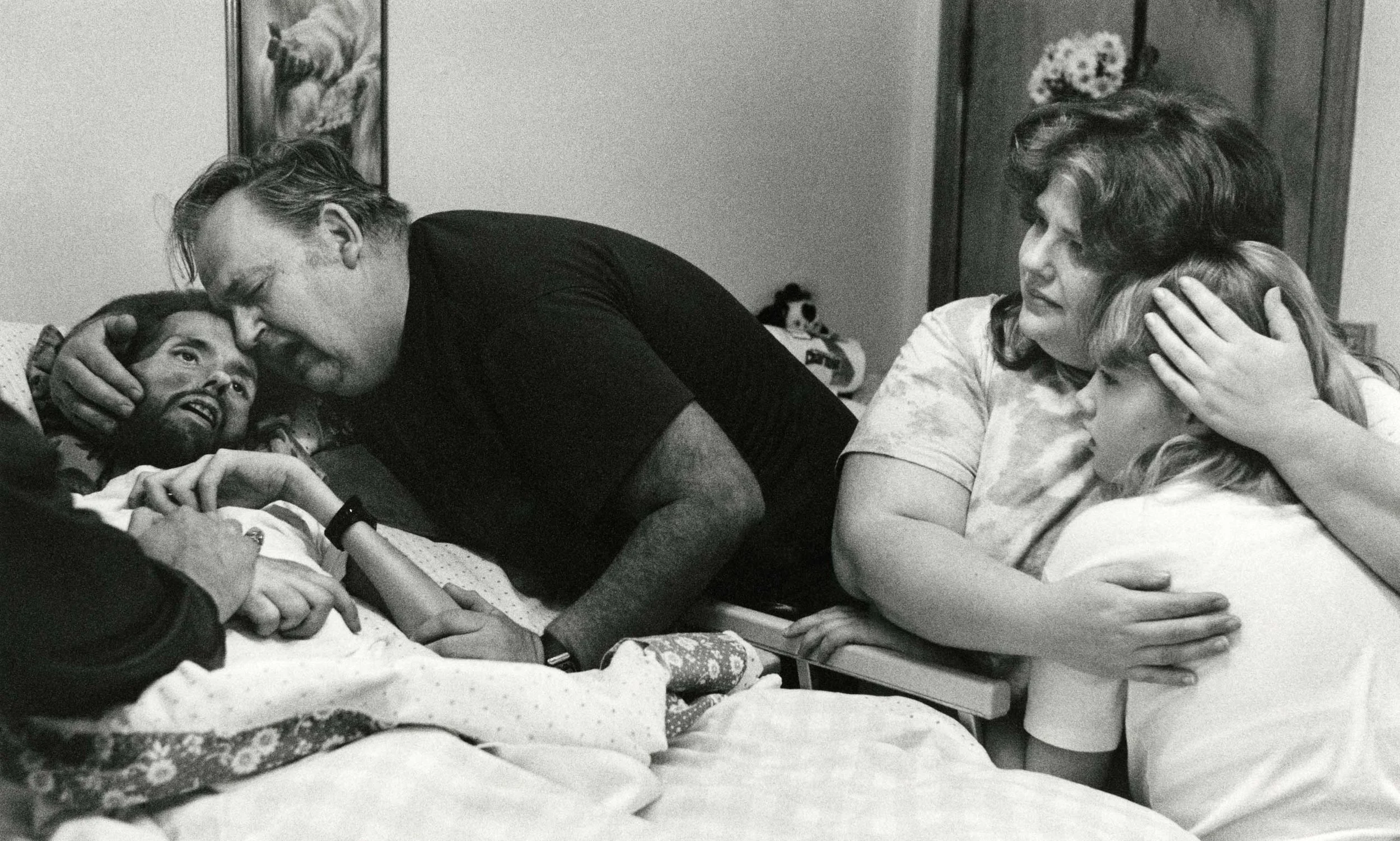
One of the clearest examples of what happens when lived experience is excluded comes from the early HIV/AIDS crisis of the 1980s.
At the beginning of the epidemic, decisions about prevention, treatment, research, and public messaging were largely made by politicians, institutions, and public agencies. These decision-makers were often far removed from the communities being most impacted—particularly gay men, drug users, sex workers, and marginalized populations.
Instead of listening to those who were suffering and dying, many leaders responded with fear, moral judgment, and stigma.
HIV wasn’t treated like a public health emergency.
It was treated like a punishment.
And because of that, the root cause was misunderstood.
The problem wasn’t simply “individual behavior.”
The problem was stigma.
Silence.
Discrimination.
Lack of access to care.
Lack of funding.
Lack of urgency.
A system that refused to see certain lives as valuable.
The “solutions” that followed often focused on shame-based messaging, criminalization, and avoidance—rather than real prevention strategies, compassionate healthcare, and rapid research investment.
And people died.
Not just because of the virus, but because the systems responding to it were built without the people most affected.
When Lived Experience Entered the Room, Everything Changed
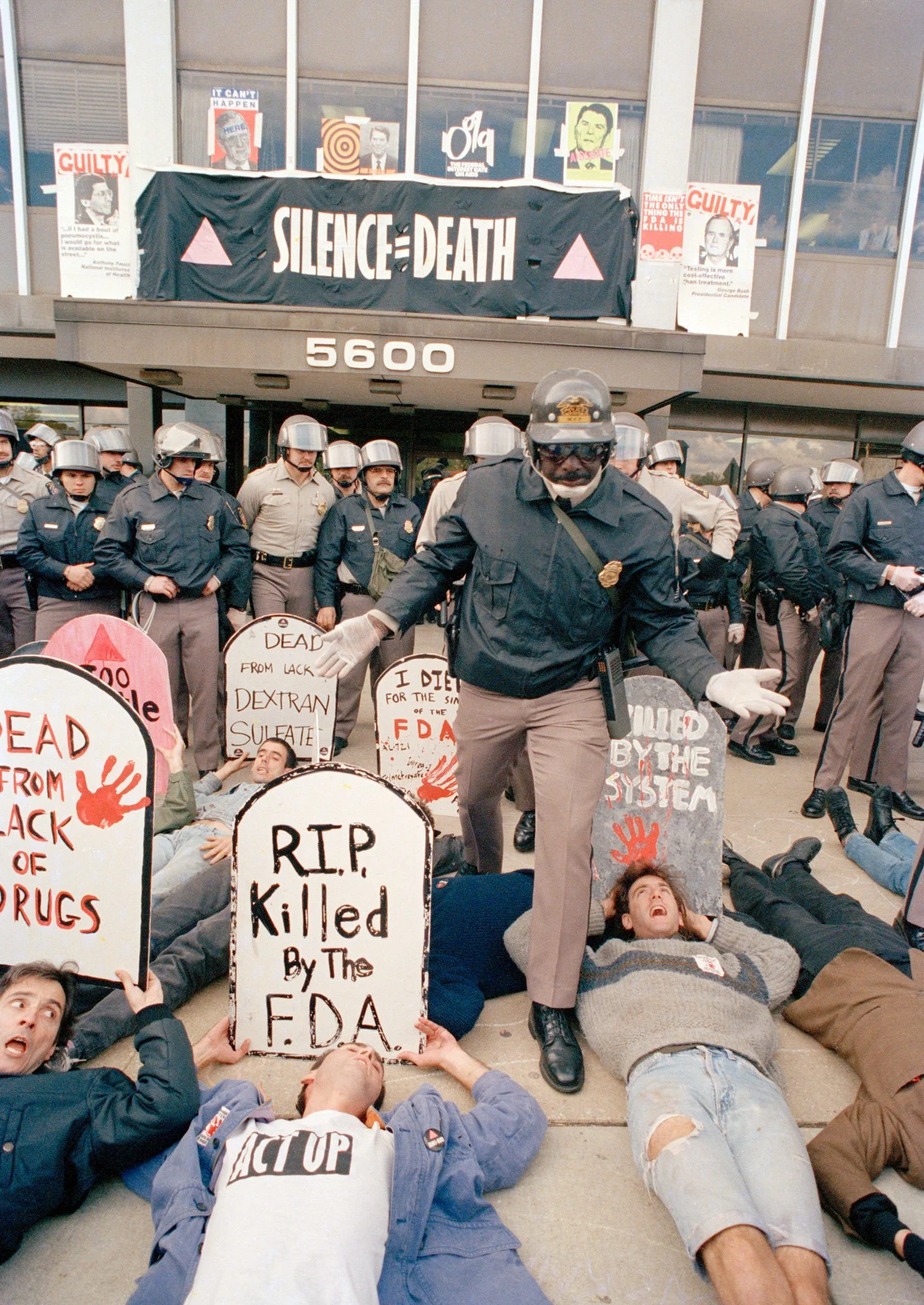
Eventually, people with lived experience pushed their way into the decision-making spaces where they had been excluded.
Groups like ACT UP demanded action. They demanded funding. They demanded speed. They demanded dignity.
They advocated for faster drug approval processes.
They challenged harmful narratives.
They called out institutional negligence.
They pushed for research that actually reflected real-world needs.
And as lived experience became part of the process, outcomes improved.
Prevention became more effective.
Treatment became more accessible.
Public messaging became more humane.
The system began to shift.
Not because the “experts” suddenly figured it out on their own— but because the people living through the crisis forced the system to listen.
This is the heart of the lesson:
Programs improve when the people impacted have power—not just participation.
Nonprofits Still Repeat This Mistake Every Day
It’s easy to look back at history and think, We would never do that now.
But the truth is… we do.
We see it in homelessness services when programs are built around compliance instead of stability.
We see it in addiction recovery spaces when policies prioritize punishment over harm reduction.
We see it in domestic violence interventions when survivor voices are treated as “too emotional” instead of insightful.
We see it in disability services when accommodations are treated like inconveniences.
We see it in poverty-focused programming when professionals assume the problem is “lack of motivation,” instead of structural inequality and systemic barriers.
And we see it in program evaluation when the only outcomes that matter are the ones funders ask for—while participant experiences are reduced to “client satisfaction surveys” that nobody reads.
When Lived Experience Is Excluded, We Get the Wrong Problem
Here’s what happens when lived experience is missing:
We misunderstand the true barriers.
We misidentify the real needs.
We create programs that are hard to access.
We measure success in ways that don’t reflect reality.
We unintentionally reinforce shame, stigma, and distrust.
We waste money, time, and resources.
And worst of all—we harm the very people we claim to serve.
This isn’t hypothetical.
It’s what happens when organizations prioritize professional expertise over community truth.
Tokenization Isn’t Inclusion
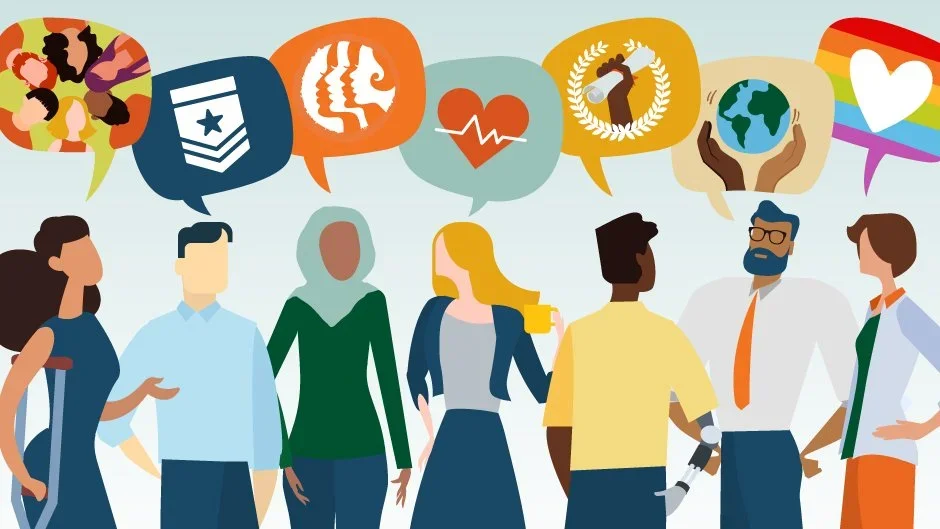
To be clear: including lived experience is not the same as inviting one person to a meeting and calling it community engagement.
Tokenization looks like:
Asking for feedback after decisions are already made
Using lived experience voices as “inspirational stories” for fundraising
Bringing someone in for optics but not giving them decision-making power
Paying consultants but expecting lived experience contributors to volunteer
Dismissing their ideas as “too biased” while treating professional opinions as objective
Real inclusion means lived experience isn’t just present.
It is valued, compensated, and integrated.
What It Actually Looks Like to Center Lived Experience
If your organization is serious about the principle of “Nothing about us without us,” here are a few real, tangible ways to act on it:
1. Hire people with lived experience into leadership roles
Not just outreach roles. Not just peer support. Leadership.
2. Pay community members for their time and expertise
If you can pay a consultant, you can pay a lived experience advisor.
3. Involve lived experience in program design from day one
Not at the end. Not as a rubber stamp.
4. Include lived experience in evaluation planning
Let them help define what success actually means.
5. Build feedback loops that create change
If you collect feedback but don’t adjust anything, you’re not listening.
6. Accept that lived experience may challenge your assumptions
If inclusion never makes you uncomfortable, you’re probably not doing it right.
The Bottom Line: Lived Experience Is Not Optional
Nonprofit and public health work is built on the idea of improving lives.
But we cannot improve lives from a distance.
We cannot claim to solve problems we refuse to truly understand.
And we cannot design systems for communities while excluding their voices.
Because history has already taught us what happens when we do.
So if you take one message from this, let it be this:
Nothing about us without us.
Not as a slogan.
As a standard.
As a requirement.
As an ethical responsibility.
Because the people closest to the problem are also closest to the solution.